When Should You Replace Your HVAC System?
Age alone is not a reason to replace an HVAC system that still heats and cools your home reliably. What matters most is the condition of both your heating and your cooling equipment. When both are wearing out, a complete heating and cooling system replacement is often the better long-term choice.
Signs you may need HVAC system replacement include:
- Equipment nearing the end of its expected service life
- Repairs or breakdowns that keep coming back
- Rooms that stay too warm or too cool
- Heating or cooling that struggles during extreme temperatures
- Energy bills that rise without a change in usage
Replacing one worn component can be enough when the rest of your system is in good shape. If your furnace still works well, AC replacement alone may be the right choice. Efficiency ratings are based on matched indoor and outdoor equipment, so an older indoor coil can hold back a new outdoor unit.
Our technicians inspect your equipment and ductwork before suggesting repairs, partial replacement, or a complete new HVAC system. We explain what we find and offer free second opinions if another company has recommended replacement.
Choosing the Right Heating and Cooling System for Your Home
Our heating and cooling installation options include gas furnaces paired with central AC and all-electric heat pumps. A heat pump moves heat in or out of your home, so one system does both jobs. Sacramento’s long, hot summers and mild winters make heat pumps a good fit for many homes. We provide these options through our heating installation, AC installation, and heat pump installation services.
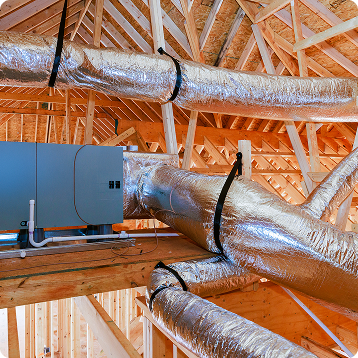
Along with sizing, we check your home’s layout and ductwork. Leaky or undersized ducts may need repairs or upgrades to deliver enough air throughout the home. When comparing energy-efficient HVAC systems, we walk you through SEER2 and HSPF2 ratings. Higher ratings mean better cooling and heat pump heating efficiency. Variable-speed equipment adjusts its output, which can help maintain even temperatures and reduce noise. We also review thermostat compatibility and where the indoor and outdoor equipment will be installed. Planning these details early can help avoid installation complications and make future maintenance easier.
Going all-electric can require more electrical capacity, so we check your panel before you choose equipment. Some heat pump installations also qualify for utility rebates. SMUD, for example, offers rebates for gas-to-electric conversions and other heat pump upgrades.