
Choosing a new water heater is a big decision for California homeowners. When it’s time for a replacement, your two main options are traditional gas and heat pump water heaters. While both heat your water, they operate very differently.
The best choice depends on your utilities, energy goals, and hot water needs. Understanding the differences in technology, efficiency, and installation can help you choose a system that meets your needs.
How Do Gas and Heat Pump Water Heaters Work?
Before comparing costs and features, it’s helpful to understand how each type heats water.
Traditional Gas Water Heaters
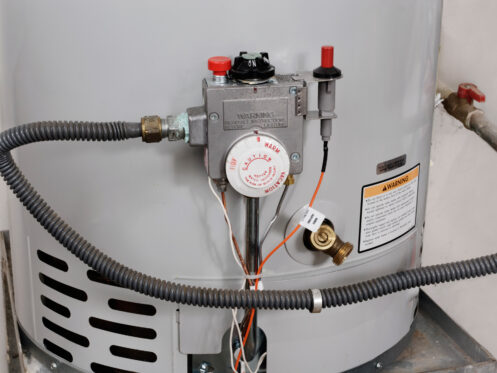
Gas water heaters use a gas burner at the bottom of the storage tank to heat the water. As combustion gases rise through a flue, they transfer heat to the surrounding water. This technology has been used in homes for decades.
Modern Heat Pump Water Heaters
Heat pump water heaters use electricity to move heat rather than create it directly. Like a refrigerator working in reverse, a heat pump pulls warmth from the surrounding air and transfers it to water in the tank. This makes them highly energy efficient.
Comparing Key Factors for California Homeowners
Making the right choice involves weighing several practical considerations. Here’s a breakdown of how gas and heat pump water heaters stack up in key areas for California residents.
Energy Source and Efficiency
A gas water heater relies on a natural gas connection to fuel its burner. While modern gas units are more efficient than older models, the combustion process has inherent limits. In contrast, a heat pump water heater uses electricity. Because it only moves heat instead of creating it, it can be two to three times more energy efficient than a standard electric resistance water heater and is significantly more efficient than gas models.
Operating Costs and Long-Term Savings
Energy efficiency directly impacts utility bills. A heat pump water heater often has lower long-term operating costs, even if local electricity rates are higher than natural gas rates. A gas unit may have a lower initial purchase price, but its energy consumption can be higher over time.
Hot Water Demand and Recovery Rate
Recovery rate refers to how quickly a water heater can heat a tank of cold water. Gas water heaters generally have a faster recovery rate, which can benefit large families or homes with high, simultaneous hot water demands. Heat pump models generally recover more slowly, but most have backup electric resistance elements that can provide additional heating during periods of high demand.
Installation Requirements and Considerations
The right water heater for your home also depends on your property’s layout and existing infrastructure. The two types have very different installation needs.
Existing Utilities and Connections
A gas water heater requires a natural gas connection and ventilation system (flue) to safely route exhaust outside. If replacing an old gas unit, this infrastructure may already be in place. A heat pump water heater needs a dedicated electrical circuit, so a professional may need to confirm your home’s electrical system can support it.
Space and Location
Gas water heaters are often compact enough for small utility closets. Heat pump water heaters need more room and adequate airflow to pull heat from the surrounding air. They also release cool, dehumidified air and produce some operating noise, making a garage or basement a potential location.
The Bigger Picture: Home Electrification in California
California is placing greater emphasis on home electrification to improve energy efficiency and reduce fossil fuel reliance. A heat pump water heater can support homeowners pursuing an all-electric home and can pair with solar panels.
Various rebates and tax credits may be available for installing high-efficiency electric appliances. While these programs change, it’s worth exploring current incentives that could lower your upfront costs. Our team can help you understand your options, including flexible financing solutions.
Which Water Heater Is Right for Your Home?
Ultimately, the best choice depends on a professional evaluation of your unique circumstances. A licensed plumbing expert can help you weigh the pros and cons.
- Large families with high water demand
- Limited installation space
- A desire to use existing gas lines
- Energy efficiency is a top priority
- Adequate space in a garage or basement
- Interest in home electrification
Professional Water Heater Installation in California
No matter which type of water heater you choose, professional installation is essential. Proper setup ensures your system operates safely, meets local codes, and performs at peak efficiency. The experts at Villara Heating, Cooling, Plumbing, Solar have extensive experience with both gas and heat pump water heaters.
We help California homeowners assess their needs, navigate their options, and select a system that delivers reliable, efficient performance. From system evaluation to flawless installation, our team is here to help you get the most out of your investment.
When you need expert advice and professional water heater installation services in California, contact the trusted team at Villara Heating, Cooling, Plumbing, Solar to schedule a consultation.


